Microsoft is aggressively pushing customers to Office 365 subscriptions by changing its support requirements in October 2020.

Microsoft Word Standalone For Mac Pro
The future of Microsoft Office is subscriptions. That sums up what the company confirmed recently in a blog post notifying users about its plans to wind down support for standalone versions of Office aka perpetual licenses; which want to connect to its Office 365 cloud services. That means versions such as Office 2010, 2013 and 2016 will no longer be able to access O365 cloud services such as Exchange Online, Sharepoint Online, OneDrive for Business or Skype for Business by October 2020.
The company is not ending development of perpetual versions of the suite, but users will need to move to the latest versions in order to access all of Microsoft’s O365 Cloud services. For example, Office 2016 which was launched in September 2015 will have its mainstream support end in 2020. So, if you don’t cut over to a Microsoft Office subscription by then, it will no longer be supported to connect to Microsoft’s cloud services.
2020-4-2 Microsoft Word is a word processing software that allows you to create and save any type of document. Licensed by Microsoft, the software is usually included in Microsoft Office Suite, which also includes desktop applications Microsoft Excel and Microsoft PowerPoint. The software is also available in a standalone version.
Microsoft Word Standalone For Mac Download
Microsoft Winding Down Support for Perpetual Versions of Office
One of the key benefits of Office 365 versus Office 2016 is the ongoing delivery of new features and functionality. Office 2016 Professional Plus has pretty much stood still since its 2015 release, receiving only security updates. Office 365, on the other hand, has received numerous improvements and features such as improved collaboration, business intelligence enhancements in Excel and Motion Path in PowerPoint. For many users, the standalone suite remains attractive, especially for organizations that need control over access to features in the suite. Here is what Microsoft’s Ron Markezich had to say about the changes ahead.
When customers connect to Office 365 with a legacy version of Office, they’re not enjoying all that the service has to offer. The IT benefits—particularly security—are cut short. And the end user experience in the apps is limited to the features shipped at a point in time. To ensure that customers are getting the most out of their Office 365 subscription, we are updating our system requirements.
- Office 365 ProPlus or Office perpetual in mainstream support required to connect to Office 365 services. Starting October 13, 2020, Office 365 ProPlus or Office perpetual in mainstream support will be required to connect to Office 365 services. Office 365 ProPlus will deliver the best experience, but for customers who aren’t ready to move to the cloud by 2020, we will also support connections from Office perpetual in mainstream support.
- Applies to Office 365 commercial services only. This update does not change our system requirements or support policies for the Office perpetual clients, Office perpetual clients connecting to on-premises servers, or any consumer services.
- More than three years’ notice. We’re providing more than three years’ notice to give IT time to plan and budget for this change. Until this new requirement goes into effect in 2020, Office 2010, Office 2013 and Office 2016 perpetual clients will still be able to connect to Office 365 services. Source
Microsoft Word Standalone For Mac Windows 7
Users can read further details about the changes at the company’s Tech Community website. Microsoft is slowly nudging users to move to Office 365, which actually offers greater value in the long run by being cheaper up front, plus it’s continually updated with new features and flexible deployment options. Three years is ample notice, especially for versions such as Office 2010, which would have been expected to stop receiving support by 2020.
The dream of Office as a service goes back as far as Office 2003 when Microsoft had originally planned to offer its suite as a subscription, but the market wasn’t ready. Office 365, first launched in 2011 has evolved over the years to become a consistent revenue generator for the software firm. The rest of the industry has followed suit, brands such as AutoDesk, Adobe, and Intuit have also moved their business models to subscriptions.
For the last 12 months, Microsoft has focused on getting its flagship Office suite on screens where it's never been before—iPhones, iPads, and Android tablets. The Office for OS X apps were left behind, though. Microsoft released a new version of Outlook and an official OneNote client, but the core Word, Excel, and PowerPoint apps were stuck back in 2010.
That changes today. Microsoft has just released a preview of Office 2016 for Mac, a suite which will include the current versions of Outlook and OneNote alongside newly updated versions of Word, Excel, and PowerPoint. The preview runs on OS X Yosemite, it's free to use, and it includes a tool for providing feedback to Microsoft. Once the final versions of the apps ship 'in the second half of 2015,' users with Office 365 subscriptions will get the new apps immediately. There may be some kind of standalone version available for those who want it, but Microsoft hasn't said.
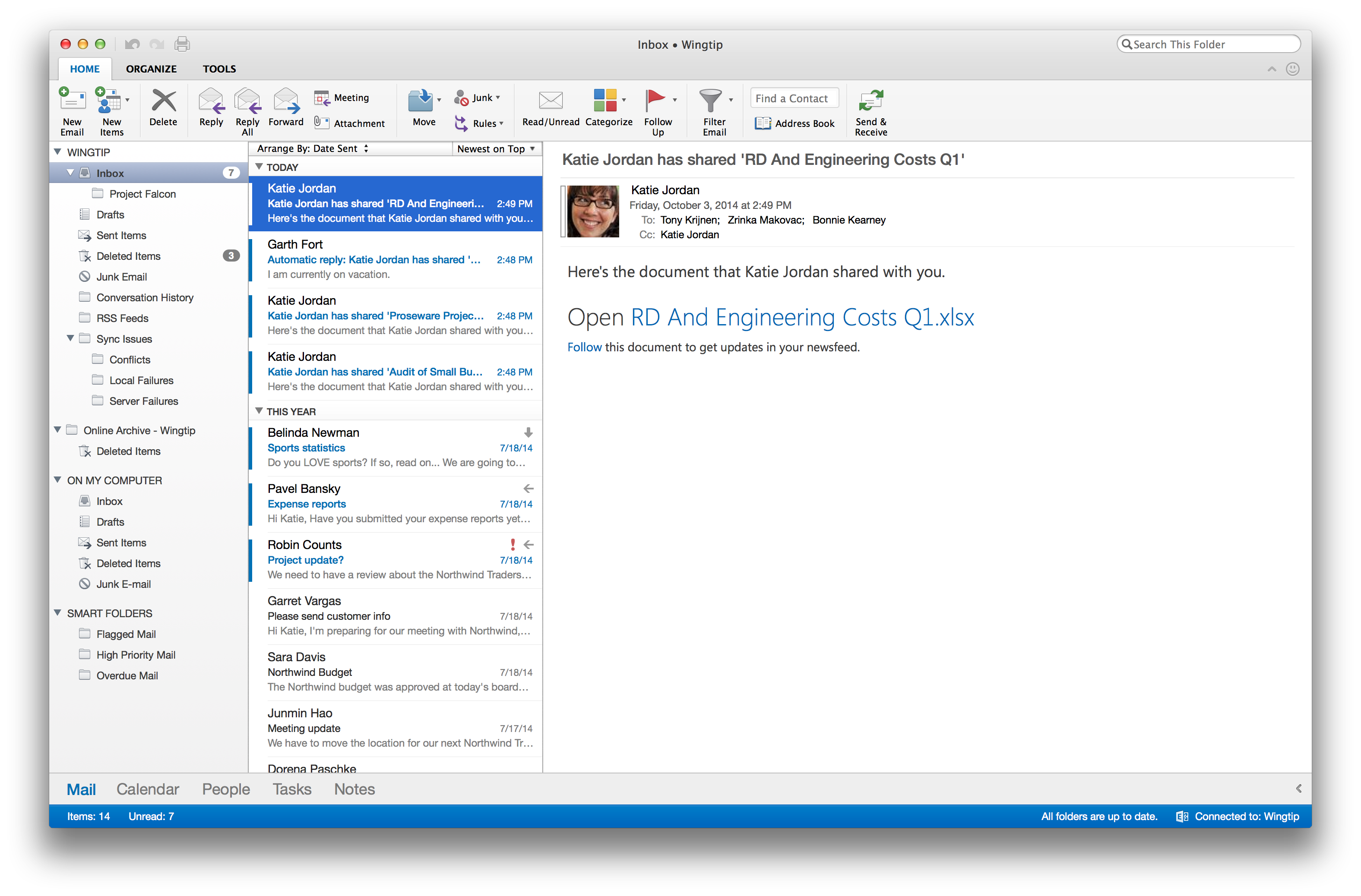
The new apps take the styling introduced in OneNote and Outlook for OS X and apply it to the other apps in the suite. The ribbon interface now more closely resembles the one in Office 2013 for Windows—Office for Mac 2011 was closer to its Windows counterpart than older versions, but it still looked like a product from another company. The apps integrate much better with OneDrive than the previous versions did, and they support the standard collaborative editing features present on other platforms. All apps also play nice with OS X-specific features, including Full Screen mode, sandboxes for apps, and Retina display support.
Interested users can download the beta here, and it can be installed alongside Office 2011 if you're not comfortable doing all your work in beta software. Microsoft's auto-updater will patch the apps as new versions are available. Microsoft says that each build will expire after 60 days, so don't expect free software in perpetuity.