-->
Note
Office 365 ProPlus is being renamed to Microsoft 365 Apps for enterprise. For more information about this change, read this blog post.
Symptoms
When you start Microsoft Word for Mac, the vertical and horizontal scroll bars are not displayed on the screen.
Cause
2011-3-2 Hi all, I hope someone can help me with a problem that should be a no-brainer, which is why I cannot figure it out myself. I do not have a vertical scroll box/bar on the right side for scrolling through a document in Word 2010. Aug 17, 2015 When it’s pointing upward, that means the Word ribbon is currently on display. So if you click that little icon, it makes the Word ribbon disappear, and the icon is then pointing downward. So you know if your ribbon is gone, you can click on the down-pointing icon to make the ribbon come back on display.
This behavior can occur if the Horizontal scroll bar and Vertical scroll bar check boxes under Preferences are not selected. This behavior can also occur if your Word preferences or the Normal template is corrupted.
Note
In full-screen mode, there are no horizontal or vertical scroll bars. Press ESC on your keyboard to exit full-screen mode.
Resolution
To resolve this issue, make sure that the scroll bars in both Word and the Apple iOS System Preferences are both on. To do this, follow these steps:
Step 1: Adjust the preferences
- Select the Apple menu.
- Select System Preferences.
- Select General.
- Set the 'Show scroll bars' option to Always.

Scroll Bar Disappears On Microsoft Word Mac 2011
Step 2: Adjust the Word preferences
- Start Word.
- On the Word menu, select Preferences.
- Open View.
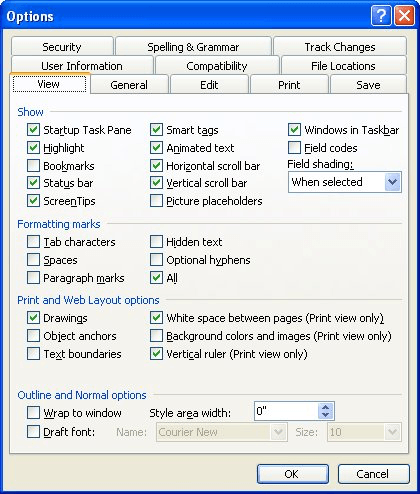
- Select the Horizontal scroll bar and the Vertical scroll bar check boxes in the 'Show Window Elements' section.
- Close the View dialog bo.
Restore the preferences and Normal template to the default settings
If the issue still occurs, try to restore the preferences and Normal template to the default settings. To do this, follow these steps:
Quit all applications.
On the Go menu, select Home.
Open Library.
Note
The Library folder is hidden in MAC OS X Lion. To display this folder, hold down the OPTION key while you select the Go menu.
Open the Preferences folder.
Look for a file that is named com.microsoft.Word.plist.
If you locate the file, move it to the desktop. If you cannot locate the file, the application is using the default preferences.
If you locate the file and move it to the desktop, start Word, and then check whether the problem still occurs. If the problem still occurs, quit Word, and restore the file to its original location. Then, go to the next step. If the problem is resolved, you can move the com.microsoft.Word.plist file to the trash.
Quit all Microsoft Office for Mac applications.
On the Go menu, select Home.
Open Library.
Note
The Library folder is hidden in MAC OS X Lion. To display this folder, hold down the OPTION key while you select the Go menu.
Open the Preferences folder.
Open the Microsoft folder.
Locate the file that is named com.microsoft.Word.prefs.plist.
Move the file to the desktop.
Start Word, and then check whether the problem still occurs. If the problem still occurs, quit Word, and then restore the file to its original location. Then, go to the next step. If the problem is resolved, you can move the com.microsoft.Word.prefs.plist file to the trash.
On the Go menu, select Home.
Open Library.
Note
The Library folder is hidden in MAC OS X Lion. To display this folder, hold down the OPTION key while you select the Go menu.
Open the Application Support folder.
Open the Microsoft folder.
Open the Office folder.
Open the User Templates folder.
Locate the file that is named Normal, and move the file to the desktop.
Start Word, and then check whether the problem still occurs. If the problem is resolved, you can move the Normal file to the trash.
You can often scroll in programs on your Mac by simply using the trackpad to scroll. While this can be handy, some Mac users dislike this behavior and don’t use it very often.
In situations like this, you may be looking for an alternate way to scroll through applications. One way to do this is by changing a setting on your Mac so that the scroll bars are always visible in your applications. Our tutorial below will show you where to find and enable this option on your computer.
How to Display Scroll Bars All the Time on a Mac
Scroll Bar Disappears On Microsoft Word Mac Free
The steps in this article were performed on a MacBook Air in macOS High Sierra. By completing the steps in this guide you will be changing a setting on your Mac so that the scroll bars are always available in applications where that setting is taken from your Mac’s system preferences. If you find later that you don’t like always having the scroll bars visible you can come back to this menu and select one of the other options.
Tip: Deleting junk files can help you free up storage space on your MacBook if it’s nearly full.
Step 1: Open System Preferences.
Step 2: Choose the General option.
Step 3: Select the Always option to the right of Show scroll bars.
Note that this doesn’t display the scroll bar at all times for some of the programs that you have installed on your Mac, namely the third-party apps. For example, enabling this option doesn’t make the scroll bars visible all the time in Chrome.
The time that is shown in the status bar on your Mac can be customized. Find out how to show or hide the day of the week to the left of the time, for example, if that is information that you would like to have or remove from the status bar,
Scroll Bar Missing In Word Mac
Disclaimer: Most of the pages on the internet include affiliate links, including some on this site.